


Key Takeaways
- Allergies, dry eye, and irritants are the most common reasons eyes itch.
- Rubbing your eyes can make irritation worse and raise the risk of infection.
- Cold compresses and preservative-free artificial tears can offer quick relief at home.
- Simple daily habits, like following the 20-20-20 rule, can reduce how often your eyes bother you.
- Symptoms that stick around for more than a week deserve a closer look from an eye doctor.
What Your Itchy Eyes Are Trying to Tell You
Think about how many things you do in a day that depend on your eyes: checking your phone, reading the news, watching the kids at practice. Now imagine doing all of that with eyes that won’t stop itching. It’s distracting, uncomfortable, and hard to ignore.
Itchy eyes are almost always your body’s response to something, whether that’s an allergen, a dry environment, an infection, or even just too many hours on a screen. Knowing the cause is the first step to finding real relief, and our team at Total Vision UTC Regents in San Diego is here to help.
The Most Common Causes of Itchy Eyes
Allergies & Your Eyes
If your discomfort tend to flare up in spring or summer, allergies are a strong possibility. When your body comes into contact with pollen, pet dander, dust, or mold, it releases histamine as a defense. Histamines cause itching, redness, and watering that can range from mildly annoying to genuinely miserable.
Seasonal allergies peak when pollen counts are high, but indoor allergens can cause problems any time of year.
Dry Eye & Screen Time
You probably blink less than you think when you’re staring at a screen. Fewer blinks mean your eyes don’t get the moisture they need. The resulting dryness shows up as itching, a burning sensation, or vision that goes in and out of focus. The more hours you log on devices, the more noticeable dry eye can get.
Other Causes Worth Knowing
Not every case of itchy eyes points to allergies or dry eye. Blepharitis, an inflammation of the edges of your eyelids, can cause persistent itching and irritation. Contact lens wear, contagious pink eye, smoke, pool chlorine, and chemical fumes are also common culprits.
Skin conditions like eczema and rosacea, along with various hormonal changes, can all affect the skin around your eyes and ultimately contribute to discomfort in your eyes.
Signs Your Itchy Eyes Need Attention
Most itchy eyes calm down with rest or a simple home remedy. However, certain symptoms signal that something more is going on. Watch for these signs and take them seriously:
- Thick discharge, crusty lashes, or eyelids that stick together in the morning.
- Blurry or worsening vision alongside the itching.
- Swollen eyelids, sensitivity to light, or redness that doesn’t go away.
These symptoms can point to conditions like eye disease or infection that go beyond standard irritation. A professional exam can help pin down what’s actually happening.
Is It Okay to Rub Your Eyes?
It’s tempting, but rubbing your eyes tends to make things worse. The friction can irritate already-inflamed tissue, and in some cases it can scratch the surface of the cornea. Your hands also carry bacteria that can introduce an infection when you touch your eyes.
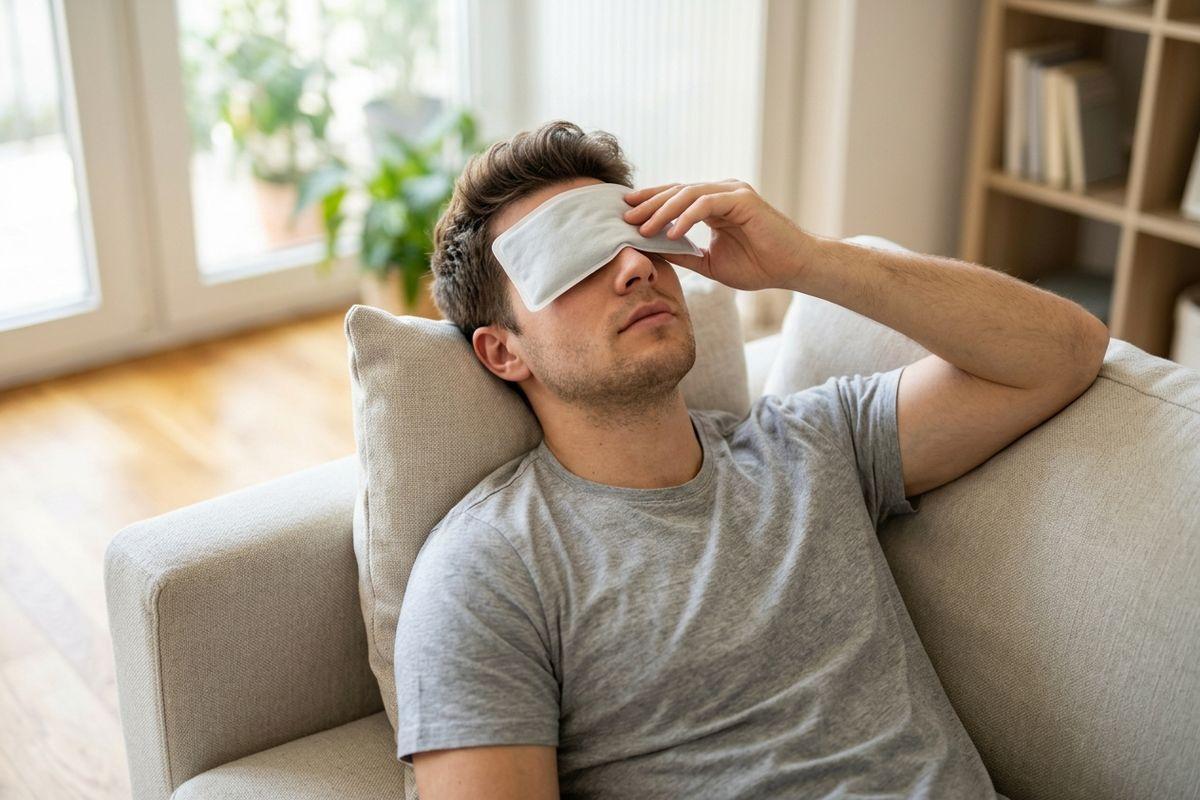
A cold compress placed gently over closed eyelids can take the edge off quickly. Preservative-free eye drops are another safe option that soothes without the added risk.
How to Relieve Itchy Eyes at Home
Quick Relief Options
A cold compress reduces swelling and calms irritation. Preservative-free artificial tears flush out allergens and add moisture. If allergies are the issue, over-the-counter antihistamine drops are formulated specifically for that kind of relief.
Everyday Habits That Help
Small changes to your routine can make a noticeable difference over time. The 20-20-20 rule is a good place to start: every 20 minutes of screen time, look at something 20 feet away for 20 seconds. This gives your eyes a chance to blink and reset. On high-pollen days, keeping windows closed and using an air filter indoors can cut down on exposure. If you wear contacts, cleaning them properly and swapping them out on schedule goes a long way toward keeping your eyes comfortable.
When to See an Eye Doctor in San Diego
Home remedies can handle a lot, but they have limits. If your symptoms have lasted more than a week without any real improvement, or if nothing you’ve tried at home is helping, it’s time to get a professional opinion.
A comprehensive eye exam can identify what’s actually driving your irritation, whether that’s allergies, dry eye, an eyelid condition, or something else entirely. Getting the right diagnosis means that you’re not just managing symptoms, but addressing the actual problem.
At Total Vision UTC Regents, we work with patients of all ages to figure out what’s going on with their eyes and put together a plan that helps them find relief. If itchy eyes have been slowing you down, reach out and schedule a visit with our team in San Diego today.