


Choosing the right pair of sunglasses involves more than just finding a frame that looks good on your face. You also need to consider how different lens treatments interact with sunlight to keep your eyes comfortable and healthy. When faced with rows of eyewear options, you might find yourself drawn to the striking look of reflective lenses and wonder if they provide any practical benefits beyond their appearance.
The simple truth is that mirrored sunglasses do block more light than standard tinted lenses because the reflective coating bounces harsh rays away from your eyes. This extra layer of protection keeps your vision comfortable during bright days at the park or on the water.
The Science of Mirrored Lenses
Standard sunglasses work by absorbing sunlight, which simply makes your view a bit darker and reduces the overall light intensity reaching your eyes. Mirrored lenses take a completely different approach to manage intensely bright conditions.
Manufacturers apply a microscopically thin metallic coating to the front of the lenses during the production process. This reflective layer acts exactly like a tiny mirror, bouncing incoming light away from your face before it ever has a chance to pass through the glass or plastic.
This reflection process significantly reduces the overall brightness to your eyes. You can enjoy a crisp and clear view without feeling overwhelmed by intense sunshine on a cloudless afternoon. These shades also protect your vision against harsh ultraviolet rays. They help keep your eyes comfortable and healthy while you spend long hours outdoors.
Weighing the Pros and Cons
Reflective shades offer several distinct advantages for your vision and daily comfort. They lower the sharp glare that bounces off bright outdoor surfaces like shiny metal car bumpers, glass buildings, or white sand. You can drive down the highway or relax at the beach without constantly squinting or straining your eyes.
The mirror finish also conceals your eyes completely, giving you a degree of privacy in public spaces that standard lenses cannot match. Furthermore, you can find these durable frames featuring metallic coatings in many vibrant colors to complement your personal style.
Keep your eyewear in top condition by following these care guidelines:
- Store your frames in a hard protective case when not in use.
- Clean the lenses with a soft microfiber cloth.
- Use designated lens cleaning sprays rather than harsh household chemicals.
- Rinse the frames with lukewarm water to remove dirt before wiping.
You should also keep in mind that these specialized lenses often cost a bit more than standard tinted options due to the extra manufacturing steps involved.
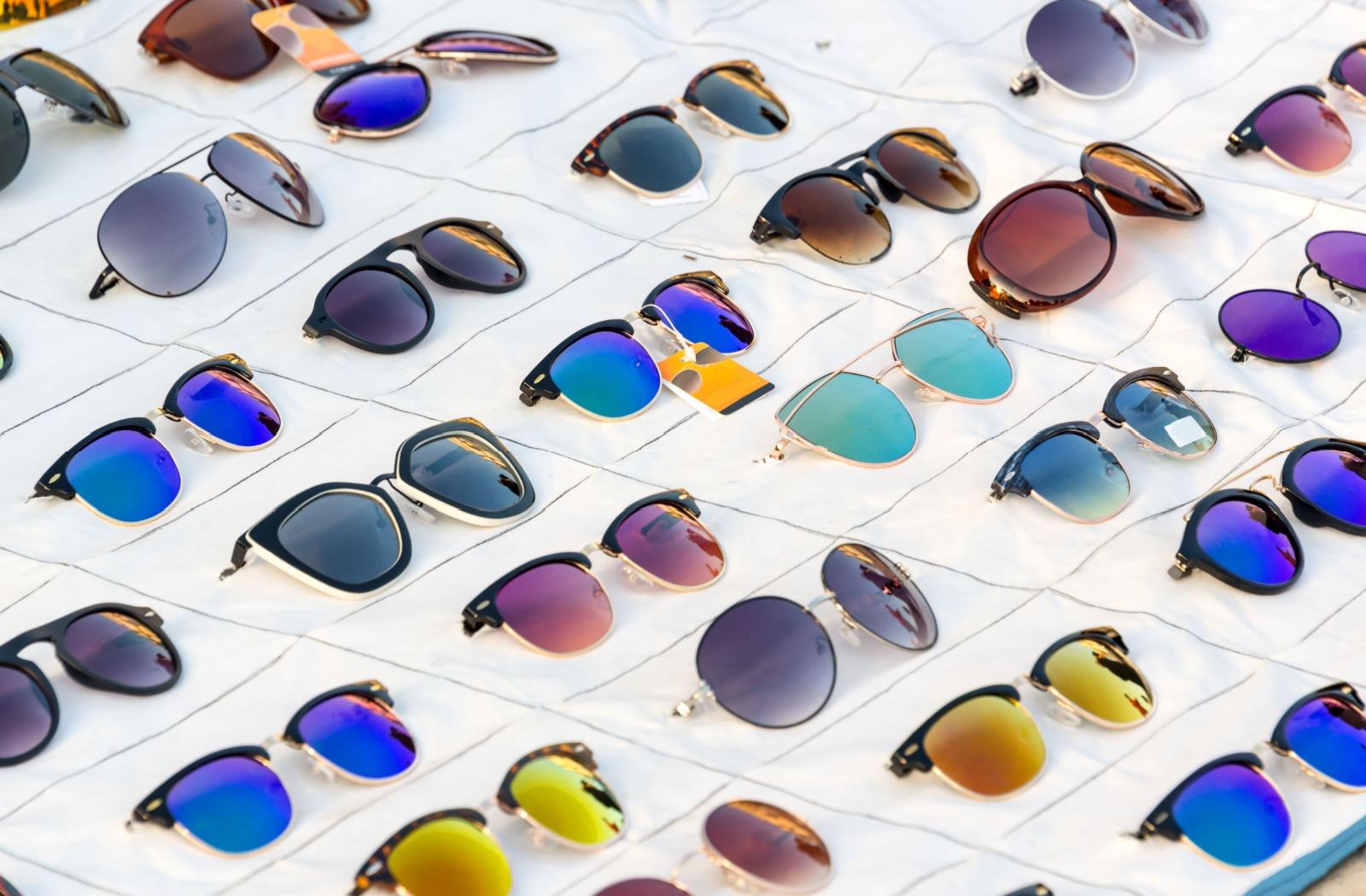
Mirrored vs Polarized Sunglasses
People often confuse mirrored finishes with polarized lenses, but these technologies manage bright outdoor conditions in completely different ways. While metallic coatings reflect light away to reduce overall brightness, polarized filters specifically target and block horizontal light waves.
These horizontal waves create the blinding glare that bounces off flat surfaces like calm lakes, open highways, or wet roads after a rainstorm. A polarized filter improves visual contrast and clarity without necessarily darkening your entire view of the landscape, making them a highly popular choice for boating, fishing, or driving on a sunny afternoon.
Combine Both for Eye Comfort
Fortunately, you don’t always have to choose one over the other. Eyewear manufacturers frequently combine both special coatings to give you a highly comfortable viewing experience. The mirrors go on the outside surface to reflect overall brightness from the sky, while the polarized filters sit inside the lens to stop harsh horizontal glare from the ground.
The Best Times to Wear Reflective Eyewear
Reflective glasses shine during specific outdoor hobbies that involve intense sunlight.
They’re very helpful for bright winter ski trips when sunlight bounces relentlessly off the white snow at high altitudes. The extra shading lets you see clearly during afternoon runs through your neighborhood. They also protect your eyes at the beach when the hot summer sun sits high in the sky. Consider packing a pair for any high-glare environment where standard sunglasses might leave you squinting.
Conversely, you should put these shades away when the sun goes down for the day or when you move inside. The dark base tint combined with the highly reflective finish keeps too much light out indoors or in dim environments. Wearing them in the shade makes dark spaces even darker and makes it incredibly hard for you to see your surroundings accurately.
Tips for Long-Term Vision Health
Your eyes undergo many natural changes as you grow older. You can protect your vision by wearing proper shades for sun protection every time you step outside into the daylight.
Establish good habits today to help maintain your eye health for many years to come. Finding the right pair of sunglasses plays a vital role in preventing strain and keeping your sight clear, whether you prefer a striking mirrored finish, a polarized lens, or a combination of both.
Face Sunny Days In Style
You can also schedule a visit with an optometrist to monitor your eye health. Regular comprehensive eye exams give your eye care professional an opportunity to detect problems before they can damage your vision.
The friendly staff at Gartner & Galstian Vision Care can help you find the right glasses for your entire family. Call the office today to set up a convenient appointment.